When Hitting the Target Feels Like Nothing
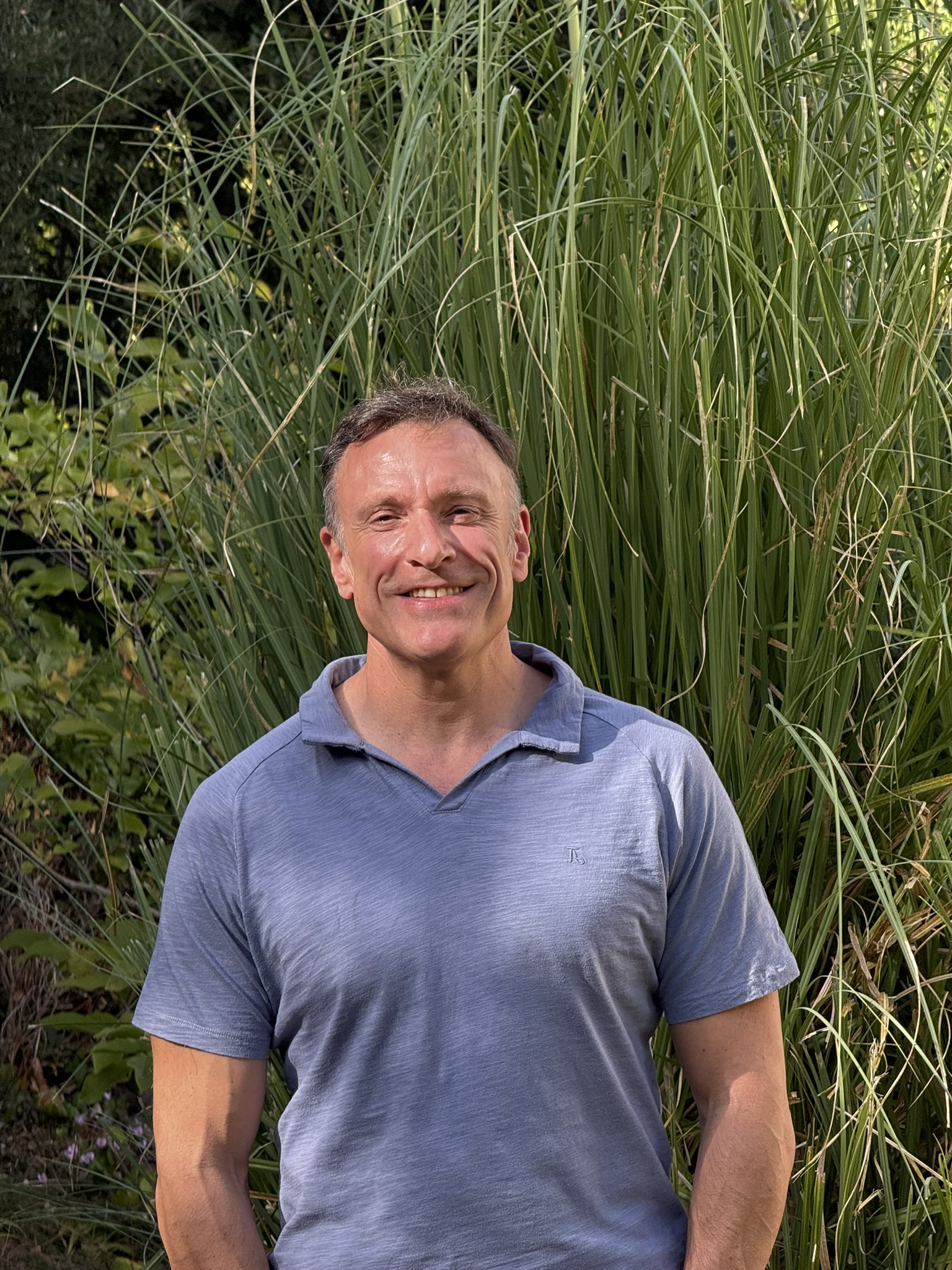
In my corporate life as an MD and board director, I was driven by outcomes. Beating the year’s sales target, getting a product launched on time, bringing a factory build in on budget: the pressure of each target became a kind of energetic fuel, and I learned to run on it.
But once I’d eventually reached the target, something odd usually happened. As the noise and nervous excitement died down, a quiet flatness would settle in. An emptiness.
I felt it most strongly after my first London Marathon. I’d trained for years, overcome some challenging injuries and finished the course at the second attempt, getting round in just under four hours. A decent time, I thought, way better than I’d hoped for. I expected to feel elated. Instead, for weeks afterwards, I felt hollow. I couldn’t even make myself put my trainers on for a jog round the park. I’d lost all interest in running, and I kept wondering what the point of it all had been. Was something wrong with me? Was I burnt out? Depressed?
Maybe you know the feeling. You finally get what you’ve worked towards for years – a new job, a qualification, a successful project – and it lands with a dull thud rather than the fireworks you’d imagined.

THOSE FEELINGS HAVE A NAME
The psychologist Tal Ben-Shahar calls this the arrival fallacy: the belief that reaching a goal will make us lastingly happy. He named it in his 2007 book Happier, drawing partly on his own experience as a young competitive squash player who expected that winning would bring lasting happiness. Part of the reason it doesn’t is simple. By the time you arrive, you’ve been expecting to for so long that the win is already priced in. And reaching one goal usually reveals the next.
So the flatness isn’t unusual. In my experience it’s especially common among senior leaders, who have often put almost everything into achieving their goals and who rarely acknowledge this to themselves or colleagues.
A word of caution before going further. Flatness after a big push is common, but it isn’t always just flatness. If it lasts for weeks, or comes with poor sleep, loss of appetite or feeling low most of the day, please speak to your GP first. Coaching isn’t the right starting point for that, and there’s no shame in checking.
BRILLIANT AT EXECUTION, HAZY ON PURPOSE
Most successful executive careers are built on what leadership researchers call horizontal development: gaining more skills, or greater responsibility for more people or controlling bigger budgets. Nick Petrie of the Center for Creative Leadership compares this process to filling a glass. Vertical development is different: it makes the glass itself bigger, changing how you see yourself and your situation. Organisations reward the horizontal kind because it produces results and KPIs they can measure this quarter. They rarely give vertical development the same attention, because it doesn’t show up in this quarter’s numbers.
Roberto Assagioli, the Italian psychiatrist who founded psychosynthesis, offers a useful way to see what goes wrong. He described any act of will as moving through six stages: purpose, deliberation, choice, affirmation, planning, and finally directing the execution. Senior leaders are usually superb at the last stage, execution. It’s what got them noticed early in their careers and helped promote them through the ranks. But many haven’t revisited the first stage on Assagioli’s list – purpose, the “what for?” – in twenty or thirty years. When the wins stop meaning anything, that’s often a sign that the purpose stage has been skipped over.
For me, questions about purpose had been quietly building for years beneath all the quarterly sales targets and the market share goals. Things only began to shift when I started looking honestly at my own identity and values.
The trap is that when outer wins stop producing inner satisfaction, the natural response is to push harder. That usually deepens the feelings of flatness.
THE PART OF YOU THAT RUNS THE SHOW
Getting to the top of an organisation usually means developing a very effective part of yourself: call it the Achiever, or the High Performer. In psychosynthesis this is called a subpersonality – one of several parts within us, each with its own needs and habits. The Achiever gets its sense of worth from solving problems and closing out goals. That’s invaluable during early and mid-career. The difficulty comes when your whole identity fuses with it, so that any wobble in business performance is felt personally as a threat.
Psychosynthesis works with this through disidentification: deliberately pausing to look dispassionately at a role or a feeling so you can observe it, rather than be it. Compare two ways of holding the same quarterly results:
Fused: “I am only as good as my numbers this quarter.” Disidentified: “I’m responsible for these results, and I take that seriously. But I’m more than just my title and my quarter.”
The second isn’t less committed. It simply gives you room to choose how you respond, rather than running on habit.
WHY TRYING HARDER DOESN'T WORK
Whenever my sense of fulfilment dipped, my instinct was to try harder. Assagioli called this the strong will: discipline, grit and stamina. It’s genuinely useful – it got me round the marathon’s 26 miles – but it can’t make you feel that something matters. I tried to do this repeatedly, to mentally muscle myself into having greater motivation, and it was exhausting.
Assagioli described other aspects of the will that help here. The skilful will gets results with less effort by working with your own internal make-up rather than against it, letting insights emerge instead of trying to force an answer. The good will is about choosing the right goals in the first place: for me, that meant personal goals rooted in my own values, not ones handed out by a board, dictated by a career ladder or foisted on me by other people’s expectations.

SOMEWHERE TO THINK
Doing this alone is hard. Senior leaders rarely have a place to think out loud without unsettling a board, a team or investors. That’s what my coaching is for. I’m training in psychosynthesis leadership coaching. What I offer isn’t advice, or a way to improve this quarter’s KPIs. It’s somewhere to look honestly at your results and habits, at the part of you that has been running the show to date, and at what you want the next chapter to be for – before you do anything you can’t undo.
BACK TO THE MARATHON
I did get back to running in the end. Instead of training plans, mile splits and programmes, I headed for the trails, running without a watch for timing or a phone for social media validation. I sought out the mud and the trees as a way to unwind and relax rather than seeing running as yet another goal or target to be achieved.
So in time, I was grateful for that flat, empty feeling. It was a sign that the way I’d been driving myself had reached its limit. If that sounds familiar, it may be worth paying attention to rather than pushing through.

Comments